
Eczema in babies – is that an eczema rash?
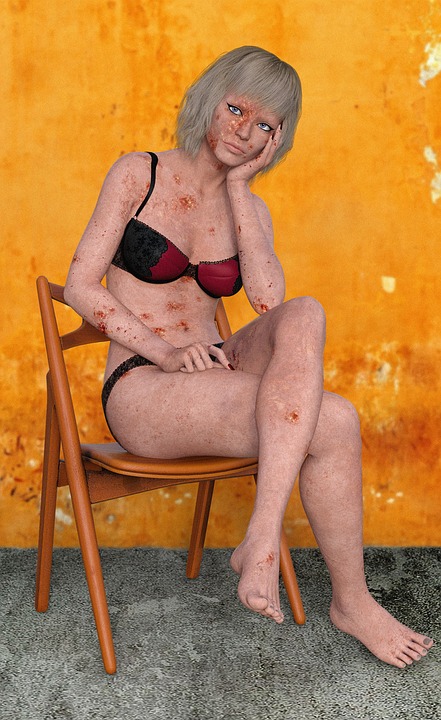
Eczema or atopic dermatitis is a common skin condition that appears mainly in children between the ages of two and six. While the condition initially appears as a rash on the skin that is itchy, it is important to recognize the symptoms of eczema so that the correct treatment can be availed and so that the condition is not misdiagnosed.
Rash and eczema are paralleled in the fact that they appear with red, prickly parts on the skin. Although, in the case of eczema, this spot is accompanied by small flaps and dry skin. In addition, unlike a rash that can occur on one part of the body, eczema usually appears on the cheeks or forehead of a child. Once an eczema infection is identified, it can multiply in the rest of the body.
Another way to differentiate a rash from eczema is to note the roughness throughout the course of treatment. While the irritant openly causes a rash, it is treated fairly quickly with medicated creams. On the other hand, eczema does not react well to the usual rash prescriptions and needs its own management in order to truly develop.
Since differentiating a rash from eczema is difficult, it is recommended that you seek out a medical professional, especially if the area does not have initial dealings.
Since eczema is considered a genetic condition, in case you or a family member has eczema, it is likely that your child will too, so the essential step in making an accurate diagnosis is a complete medical history. Apart from this, your specialist will also want to examine the rash to look for eczema warnings.
When examining the rash, doctors will look at the appearance of the rash, the area where the rash originally appeared, and the severity of the rash. Your child may look for signs of dry skin and skin scaling. The doctor will also inquire about how long the rash has been present to rule out conditional rashes caused by regular irritants. Finally, he will look for signs of lichenification – hardening of the skin which is common in patients with eczema.
In a number of cases, the doctor may also direct a blood test to rule out other medical conditions or allergies prior to testing for eczema. Once the eczema is resolved, treatment can begin.
Leave a Reply
Want to join the discussion?Feel free to contribute!